
Can a Victorian House Really Run Efficiently on a Heat Pump?

Short answer: yes, a Victorian house can run efficiently on a heat pump — but not by pretending it is a 2020s airtight box. Success is design, emitters, fabric improvements you can actually make, and sometimes complementary infrared or electric heating in the awkward rooms.
We work with homeowners in period properties who love original features and still want twenty-first century comfort. Here is the straight guide we wish every Victorian owner read before requesting quotes.
Why Victorian houses get special treatment in heat pump conversations
Typical period traits that change the maths:
- Solid brick walls with higher heat loss than modern cavities
- Beautiful sash windows that may be single or partially upgraded
- High ceilings and generous volumes
- Bay windows and chimney breasts stealing wall space for radiators
- Decorative constraints — you will not always chase every internal wall with insulation
- Outdoor space that may or may not welcome a heat pump unit gracefully
None of these make heat pumps impossible. They make generic heat pump quotes dangerous.
Independent background on how heat pumps work in UK homes sits with the Energy Saving Trust. Your house still needs a specific design.
Efficiency is a system word — not a badge on the outdoor unit
When people ask if a Victorian can run “efficiently,” they usually mean:
- Reasonable running costs
- Rooms that actually hit comfortable temperatures
- Equipment not thrashing itself into an early grave
Those outcomes depend on heat loss, emitter capacity, flow temperature, controls, and user habits. A premium heat pump on postage-stamp radiators in a sash-bay lounge will not feel efficient. A carefully designed system with serious emitters and sensible fabric upgrades can.

Fabric: what is worth doing before or alongside a heat pump
We are radiator people, not full retrofit architects, but we will not pretend emitters erase building physics.
High-value moves in many Victorians:
- Loft insulation upgrades where access allows
- Draught-proofing sashes and floors without destroying character
- Secondary glazing where full replacement is blocked
- Suspended floor insulation carefully detailed
- Chimney draught control when fireplaces are unused
Deep internal wall insulation is a bigger, riskier conversation (moisture, dew points, cornice details). Sometimes owners do it room by room; sometimes they accept higher design loads and size the heating accordingly. Both can be valid if eyes are open.
Emitters: the make-or-break for period homes
Victorian rooms often need more radiator than modern rooms of the same floor area because of volume and fabric. That pushes you toward:
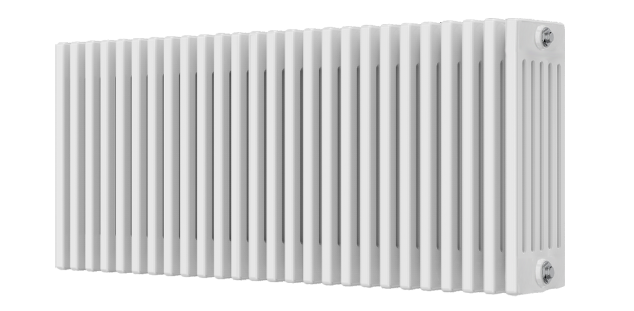
- Multi-column radiators with enough sections — browse column radiators and models like 6 column horizontals or 3 column vertical 1800
- Aluminium high-output designers where a contemporary look fits the refurbished interior — Casina, Caldaro, Loco double
- Vertical units in alcoves and chimney breast flanks — vertical designer range
Period aesthetics and output can coexist. Classic columns in white or anthracite often look more “meant to be there” than a weak slim panel trying to hide.

Underfloor heating in Victorians — possible, not default
Ground-floor UFH in a renovation can be superb with heat pumps. It is also disruptive and height-sensitive. Many owners keep suspended floors and invest in serious radiators instead. Mixed systems (UFH in a rear extension, columns in the original reception rooms) are common and sensible.
The outdoor unit and the Victorian streetscape
Siting challenges we hear:
- Front garden aesthetics and planning sensitivity
- Alleyways that trap noise and airflow
- Limited rear access
- Neighbour proximity in terraces
Work with installers who care about airflow clearances and neighbourly noise, not only pipe length. A hidden but poorly ventilated cubbyhole is not clever.
Grants and paperwork without the rose tint
Eligible homes may access support such as the Boiler Upgrade Scheme — check live GOV.UK criteria, property eligibility, and installer requirements. Grants improve cashflow; they do not redesign your bays and solid walls for you. Keep budget contingency for emitters and fabric items the grant does not cover.
When we recommend infrared in a Victorian (sometimes instead, often as well)
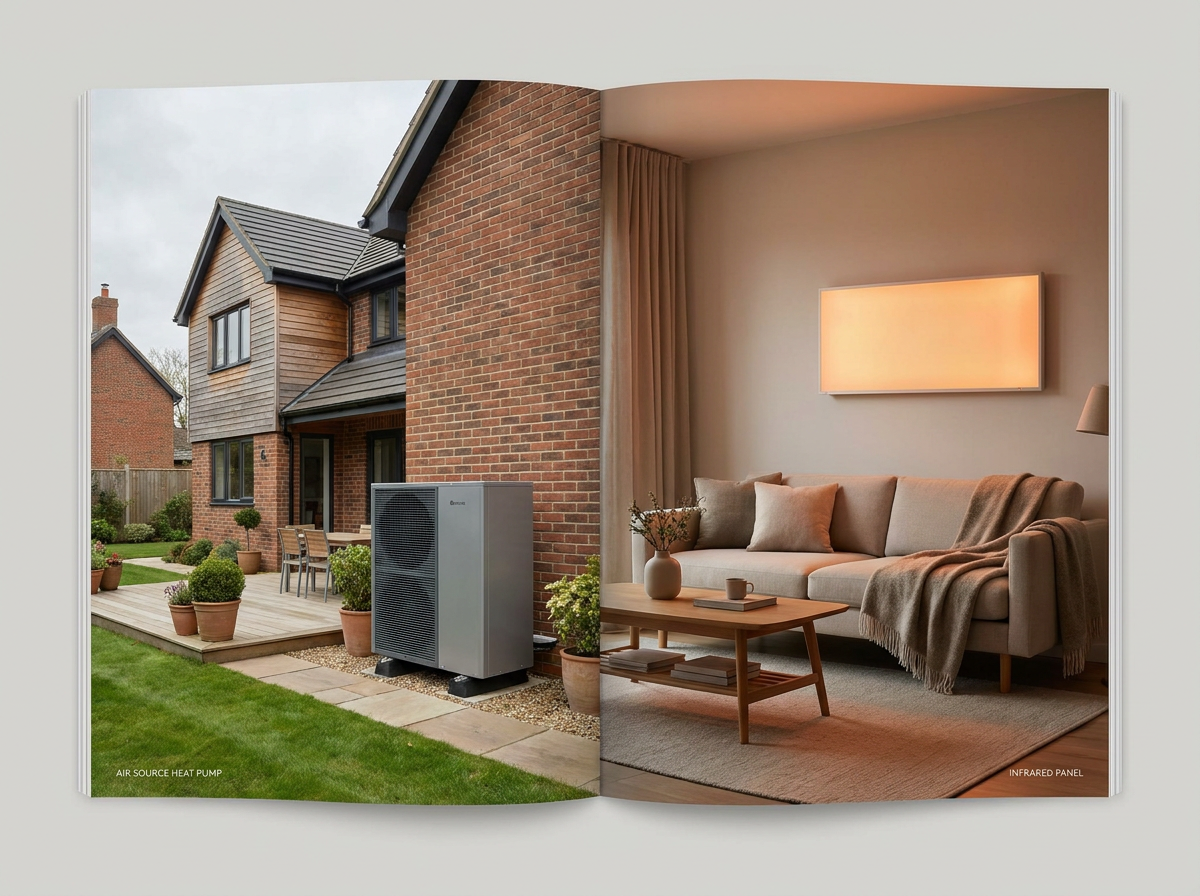
Heat pumps can serve period homes well. Infrared still earns its place when:
- A top-floor nursery or loft office is outside easy wet-system reach
- A damp-prone unused room needs occasional gentle warmth
- You are phasing a multi-year renovation and need comfort now
- External plant is delayed by planning or funding
- One reception room is a radiant comfort priority during evening occupancy
Explore electric heating options and our full argument in When We Recommend Infrared Heating Instead of a Heat Pump. For wider electric context: electric heating systems UK.

A realistic Victorian heat pump pathway (phased)
Phase A — Understand loads Professional survey, heat loss, room priorities, lifestyle.
Phase B — Quick fabric wins Loft, draughts, simple glazing improvements.
Phase C — Emitters Specify and fit high-output radiators now. Even on the old boiler, comfort jumps — and you are heat-pump ready. Use BTU guidance, then confirm with design calcs.
Phase D — Generation Heat pump install with correct cylinder/controls, MCS-competent process where applicable (MCS).
Phase E — Fine-tune Balancing, weather compensation, homeowner coaching on steady temperatures.
Optional throughout — IR zones For rooms outside the neat hydraulic story.
This pathway avoids the classic failure: outdoor unit day one, original 1980s single panels still on the walls day two.
What success feels like in a period home
Owners who end up happy usually describe:
- Even temperatures without boiler-like blasts
- Radiators warm rather than scalding
- Quieter plant than expected when sited well
- Willingness to run steady setpoints
- Acceptance that a huge single-glazed bay still needs a serious emitter
They rarely describe “zero bills” or “we changed nothing else in the house.”

Where Bradley’s Radiators fits in your Victorian project
We are not trying to be your architect, electrician, and heat pump OEM in one breath. We are the team that makes sure the heat actually lands in the room beautifully:
- Column radiators that suit period character
- Aluminium and vertical designers for refurbished contemporary-period hybrids
- Electric heating including infrared options for problem rooms
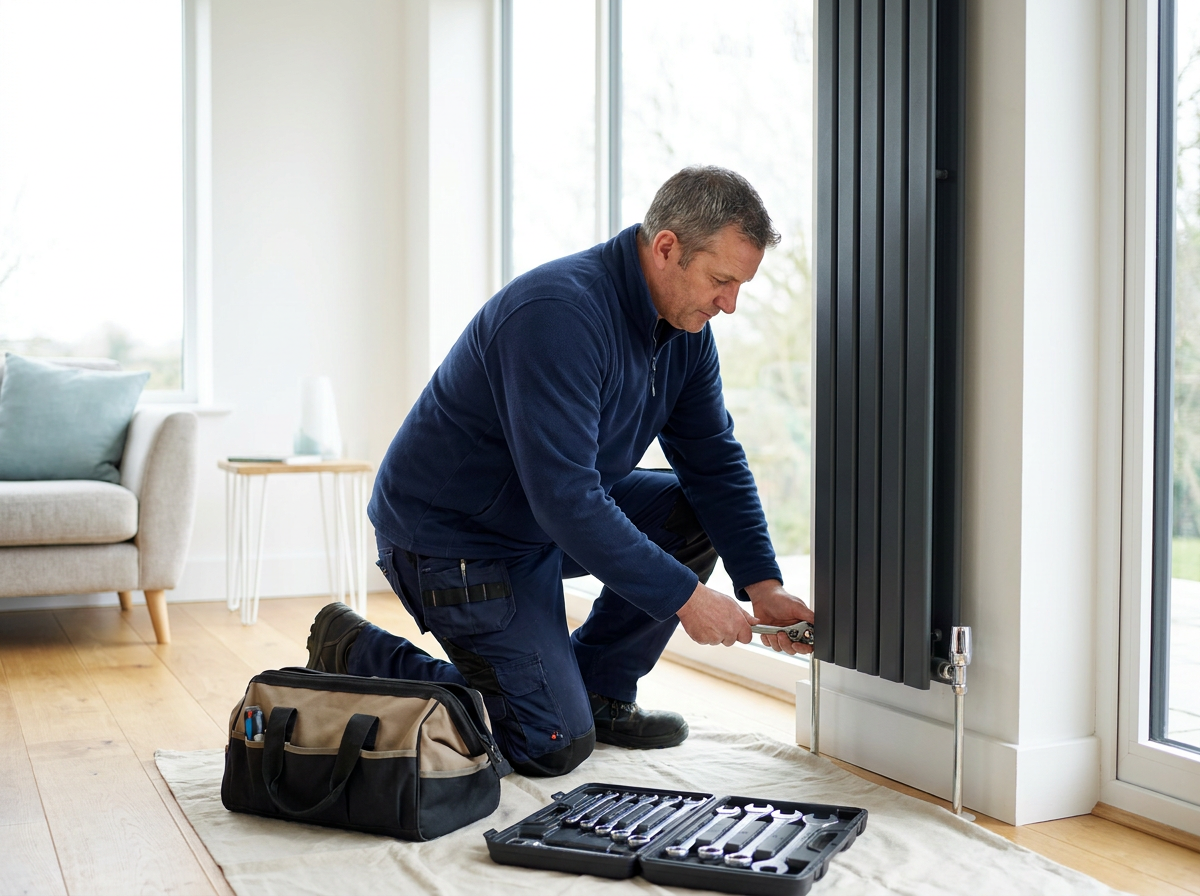
- Professional installation with transparent scope
- Honest advice via contact
Also useful: most efficient radiators, heating solutions overview, and what we tell customers about heat pumps.
Case-pattern: the double-fronted villa vs the two-up-two-down
Large villa / multi-reception: Often benefits from zoning clarity — which rooms are daily, which are formal and occasional. Heat pump backbone for core living; careful emitter specs in high ceilings; IR or electric in rarely used wings during renovation phases.
Compact terrace Victorian: Outdoor unit siting and sound paths dominate. Emitters must be clever with narrow walls — vertical columns and aluminium become heroes. Less house volume can actually help running costs if draughts are controlled.
Converted multi-occupancy: Landlord and lease rules may constrain external plant. Electric infrared strategies sometimes win on practicality even when a heat pump would win on pure physics in a single-family retrofit.
Tell us which pattern you are closer to when you get in touch — it speeds good advice.
Common quoting red flags on period jobs
- No mention of ceiling heights in the survey
- “Existing radiators fine” without a schedule
- Outdoor unit drawn in a sealed alley with no airflow discussion
- Zero budget line for emitter upgrades
- Promise of tropical radiator surface temperatures on a heat pump
- Dismissing all sash windows as “just replace everything” without interim options
Good installers welcome detailed questions. So do we on the emitter side.
Living with the system after install
Period-home owners who settle in well usually:
- Run steadier setpoints instead of deep setbacks that fight high thermal mass walls
- Keep trickle ventilation sense (fabric moisture matters)
- Do not block columns with floor-to-ceiling curtains
- Service plant and check pressure as advised
- Treat IR rooms as intentional zones with timers, not forgotten panels left on 24/7
Technology plus habits beats technology alone.
FAQs
Can solid wall Victorians use air source heat pumps?
Yes, with correct design loads and emitters. Fabric improvements help but perfection is not a prerequisite for every project.
Will I need underfloor heating?
No, not necessarily. High-output radiators are a proven path.
Do original cast-iron style radiators automatically work?
Only if their output at the design temperature meets the room load. Beauty ≠ kW. We can help compare against modern column and aluminium alternatives.
Should I wait until the whole house is insulated?
Do high-value fabric works you can access, but indefinite waiting on a dead boiler helps no one. Phased plans exist.
Can infrared replace a heat pump in a large Victorian?
Sometimes for partial occupation strategies; rarely as a casual whole-villa swap without serious design. Hybrid is common.
Character and comfort are not opposites. The Victorian owners we enjoy working with want both — original proportions and a house that welcomes you in from a wet January street. That combination is available when heat pumps, radiators, and selective infrared are specified with respect for the building rather than copied from a new-build playbook.
Conclusion
A Victorian house really can run efficiently on a heat pump when efficiency is defined as a designed system: realistic heat loss, grown-up emitters, competent install, and owners who understand steady comfort. Where constraints bite, infrared and electric zones keep life liveable without forcing a purist solution.
If you want radiator schedules that respect both cornicing and January nights, contact Bradley’s Radiators. Bring photos of your rooms and any survey data you already have — we will help you build a period-sensible plan and install the parts you want done for you.
Related: Why Bigger Radiators Matter More Than Most People Realise · Can You Keep Your Existing Radiators With a Heat Pump? · When We Recommend Infrared Heating Instead of a Heat Pump · Five Myths We Hear About Heat Pumps Every Week